

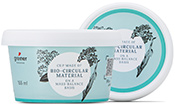
First cup prototypes made of premium polyolefins
publié le mercredi 30 juin 2021
Greiner Packaging has produced a food cup made of premium polyolefins obtained exclusively from waste and residue streams. The Bornewables line of products is manufactured by Borealis, a leading supplier of polyolefins based in Vienna, Austria.
Unlike renewable raw materials produced with agricultural crops grown for food and livestock feed, the Bornewables products are made from second-generation (i.e., renewably sourced) feedstocks derived solely from waste and residue streams: from vegetable oil production as well as oil waste and residues, from the timber industry, or from the food industry – for instance, used cooking oil. The Bornewables offer the same characteristics as virgin polyolefin materials while boasting a substantially reduced carbon footprint. A life cycle analysis initiated by Borealis at its Kallo site in Belgium, showed that using Bornewables substantially reduces a product’s carbon footprint by at least 2.7 kg CO2 eq for every kilogram of polymer. This represents a saving of up to 120% in comparison to fossil-based PP from Borealis. Moreover, using these premium polyolefins designed for circularity reduces the depletion of fossil resources by around 69%. The entire Bornewables line of products has been certified as part of the ISCC PLUS system. The new prototype IML cups for dairy products are made of Bornewables monomaterial and were developed to be recycled as normal in conventional facilities – completely in line with the principle of design for recycling. The chemical structure of the PP material used in the cups is similar to that of standard plastic and can be recycled in the same loop as conventional polymers.
Part of 659 issue – June 21. All rights reserved except agreement written by Emballage Digest or mention of the magazine